Mastering Work-Life Balance: Separate Business from Personal Life
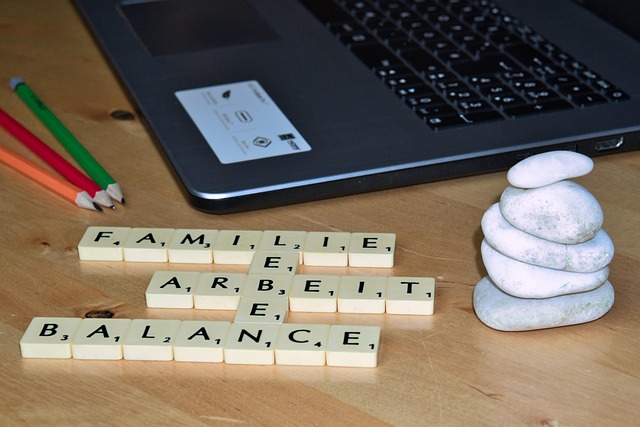
Recognizing the harm of work-life fusion, professionals must actively separate business from persona…….
In today’s fast-paced and highly interconnected world, maintaining a healthy balance between business and personal life has become an art. The concept of ‘separating’ these two spheres is not merely about creating physical distance but involves a strategic approach to manage time, priorities, and interactions effectively. This article aims to delve into the intricacies of achieving this delicate equilibrium, exploring its global impact, economic implications, technological influences, and the challenges that lie ahead. By examining various facets, we will uncover valuable insights for individuals, organizations, and policymakers striving to foster a productive and fulfilling life in both personal and professional domains.
“Separate Business from Personal Life” (SBPL) is an ideology and practice that advocates for distinct boundaries between one’s professional endeavors and personal pursuits, relationships, and well-being. It emphasizes the importance of recognizing and respecting these boundaries to enhance overall satisfaction and performance. The core components of SBPL include:
The concept of SBPL has evolved over centuries as societal structures and work patterns changed. Historically, in agrarian societies, the separation was more pronounced due to seasonal work cycles, leaving ample time for personal pursuits. However, with the industrial revolution, businesses demanded longer working hours, blurring these lines. The modern era, characterized by digital connectivity and globalized work, has further complicated this balance. Today, SBPL is not just a preference but a necessity for many, aiming to combat burnout, increase productivity, and promote overall well-being.
SBPL resonates across borders, yet its implementation varies significantly due to cultural norms, economic systems, and legal frameworks. Here’s a global outlook:
The global trend towards SBPL is reshaping work cultures in several ways:
The interpretation and implementation of SBPL vary across regions due to cultural and economic factors:
| Region | Key Trends | Challenges |
|---|---|---|
| North America | Strong emphasis on work-life balance, flexible work options prevalent | High cost of living in urban centers may strain personal time budgets |
| Europe | Comprehensive labor laws protect personal time; remote work is widely accepted | Growing gig economy presents new challenges for defining business vs. personal boundaries |
| Asia Pacific | Increasing awareness of mental health and personal time; government interventions promoting SBPL | Long working hours deeply rooted in some cultures; fear of missing out (FOMO) |
| Middle East & Africa | Rapid urbanization driving demand for flexible work; personal time highly valued | Strict labor laws may limit options for remote or flexible work arrangements |
The SBPL trend has significant economic implications:
Technology plays a pivotal role in facilitating SBPL:
Policies and regulations play a crucial role in shaping the practice of SBPL:
Despite its benefits, SBPL faces several challenges:
Google’s innovative “20% Time” policy allows employees to spend one day a week (or 20% of their time) on personal projects, leading to the creation of products like Gmail and AdSense. This initiative demonstrates that SBPL can foster creativity and innovation while benefiting both employees and the company.
During the COVID-19 pandemic, Microsoft transitioned seamlessly to remote work, proving that SBPL is feasible on a global scale. They emphasized trust and results over physical presence, resulting in increased productivity and employee satisfaction.
IKEA prioritizes employee wellbeing through various initiatives, including flexible working hours, comprehensive parental leave policies, and on-site fitness centers. These efforts have contributed to high employee retention rates and a positive company culture.
The global journey towards separating business from personal life is a complex yet essential endeavor. As digital transformation continues apace and societal expectations evolve, organizations and individuals must adapt to thrive. By embracing technology, implementing thoughtful policies, and fostering cultural awareness, we can create an environment that supports both professional success and personal fulfillment.
SBPL is not just a trend but a necessary shift towards recognizing the inherent value of time, relationships, and well-being in achieving long-term productivity and happiness. As we navigate the future, striking this delicate balance will be key to unlocking individual potential and organizational growth.
Q: How can I set healthy boundaries between work and personal life?
A: Start by evaluating your current habits and identifying areas where you want to improve. Set specific goals, communicate expectations with colleagues and family, and utilize time management tools. Create a routine that establishes clear transitions between work and personal activities.
Q: Are there any benefits to working long hours?
A: While dedication and hard work are essential, excessive hours can lead to burnout, decreased productivity, and negative impact on health. Long hours may also hinder creativity and innovation by limiting personal recharge time. Balanced work-life integration ensures sustained performance and well-being.
Q: How can technology help in achieving SBPL?
A: Technology provides tools for effective time management, communication boundaries, and remote collaboration. Apps and platforms designed for productivity, scheduling, and digital detox can aid in separating personal and professional life while leveraging the benefits of connectivity.
Q: What role do companies play in promoting SBPL?
A: Organizations have a significant impact through policy implementation, providing resources for employee well-being, and fostering a culture that values work-life balance. Flexible work arrangements, wellness programs, and transparent communication are powerful tools for businesses to support SBPL.
Q: Can SBPL be successfully implemented in every industry?
A: While the core principles of SBPL can be applied universally, their practical implementation may vary by sector. Industries with flexible or remote work options, like tech and design, tend to embrace SBPL more readily. Others may face challenges but can still improve by adopting tailored strategies and policies.
Recognizing the harm of work-life fusion, professionals must actively separate business from persona…….
Creating a healthy work-life balance requires separating business from personal life through clear b…….

Separating business from personal life is vital for professionals to maintain well-being, reduce bur…….

In an interconnected world, the distinction between business and personal life has blurred, causing…….

Maintaining work-life balance is crucial for leaders. Separating Business From Personal Life natural…….

Separating business from personal life is crucial for maintaining work-life balance. Blurring bounda…….

In a competitive business environment, separating work from personal life is crucial for well-being…….

Separating business from personal life is crucial for maintaining professional integrity and well-be…….

Successful directors face a constant challenge: balancing professional and personal life to prevent…….

Maintaining a healthy separate business from personal life balance is crucial for well-being and suc…….

Separating business from personal life is crucial for well-being. Strategies include:- Establishing…….

In a digitally merged world, separating business from personal life is vital for well-being. Constan…….

Separating business from personal life is crucial for maintaining balance. Key strategies include es…….

Separating business from personal life is crucial for well-being and productivity in today's di…….